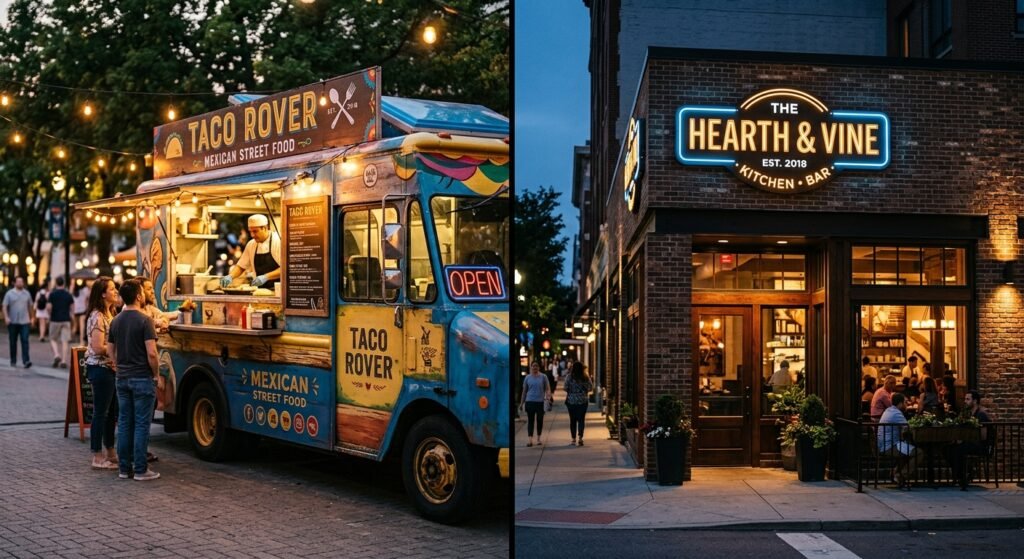
Making the leap from a mobile kitchen to a permanent dining room is one of the most ambitious milestones in the culinary industry. The story of transitioning from food truck to brick-and-mortar at [Foodimine] illustrates how passion, community support, and strategic adaptability can turn a single mobile rig into a beloved local dining staple.
While operating a food truck offers a low-overhead platform to test concepts and build a loyal following, launching a full-scale restaurant introduces an entirely new set of operational challenges. From managing expanded staff to designing a cohesive indoor ambiance, moving into a physical building requires turning street-side popularity into a sustainable, long-term business model.
Key Takeaways
- Proof of Concept: Food trucks serve as ideal testing grounds for menu items, customer feedback, and brand identity before committing heavy capital to real estate.
- Capital & Licensing: Transitioning to a physical location requires navigating commercial leases, municipal zoning laws, health codes, and significantly higher overhead costs.
- Preserving Brand Identity: Successful transitions keep the core street-food soul intact while elevating the customer experience through seating, service, and expanded menus.
- Community Continuity: Early mobile fans become the primary drivers of opening-day momentum for the new storefront.
The Origins: Testing Concepts on Four Wheels
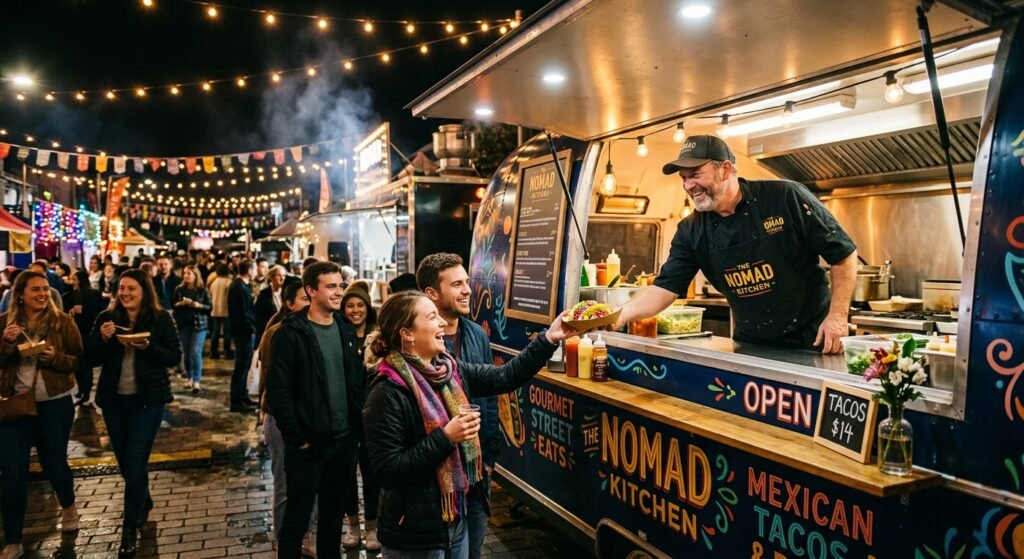
The journey of [Foodimine] began on the curb. Operating out of a compact mobile kitchen allowed the founders to experiment with bold flavor profiles, perfect service speed, and pivot quickly based on direct customer feedback. By serving at local markets, festivals, and downtown office blocks, they built an organic base of passionate foodies.
Mobile kitchens act as real-world incubators. Founders learn inventory management, cost control, and high-volume prep in tight spaces. For [Foodimine], this lean operating environment honed their efficiency and proved that their signature dishes had market demand beyond a passing trend.
Navigating the Transition: Strategy and Scaling
Scaling from food truck to brick-and-mortar involves far more than simply moving to a fixed kitchen. The leadership at [Foodimine] had to scale operations while staying true to the brand identity that made them famous on the street.
1. Financial and Site Selection Planning
Securing a physical site required balancing foot traffic against rent costs. Selecting a neighborhood close to their original truck routes ensured that existing regulars could easily transition to the new venue.
2. Expanding the Culinary Lineup
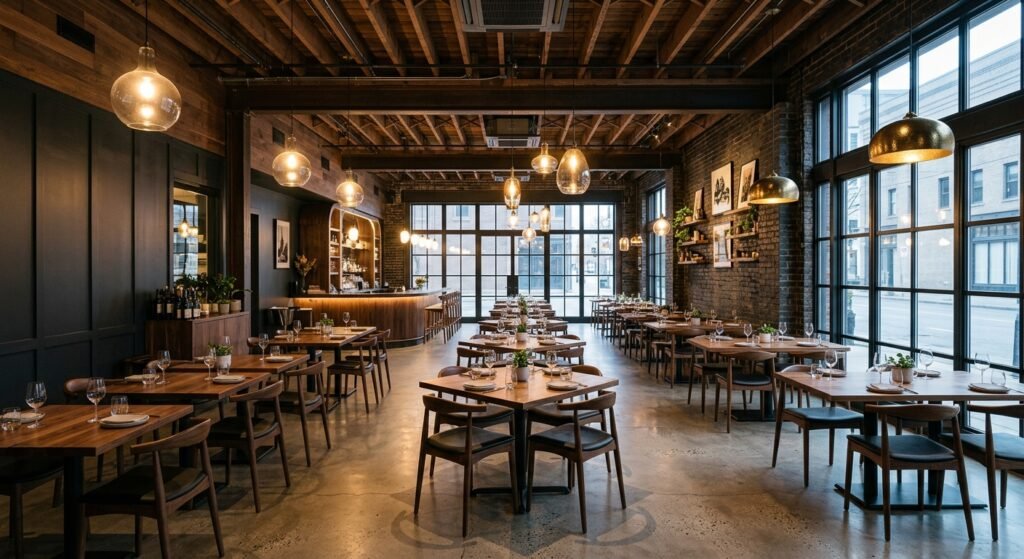
In a mobile truck, menu space is limited by refrigeration and burner capacity. Transitioning to a full commercial kitchen allowed [Foodimine] to introduce appetizers, craft cocktails, desserts, and plated specials while retaining their original food truck hits.
To read more inspirational success stories and explore top-rated local eateries, check out [Internal Link: Browse Foodimine’s local restaurant spotlights and founder stories].
Overcoming Real-Estate & Operational Hurdles
Opening a physical storefront brings regulatory and logistical complexities that food trucks rarely face at the same scale. The team at [Foodimine] had to secure building permits, install commercial grease traps, pass rigorous fire inspections, and train a front-of-house service staff.
Managing overhead shifts—such as long-term property leases, utility bills, and insurance—demands strict financial discipline. Navigating these commercial real estate and small business loan requirements often involves working alongside industry resources like [External Link: Visit the U.S. Small Business Administration (SBA) for guides on restaurant financing and commercial leases].
Preserving the Soul of Street Food
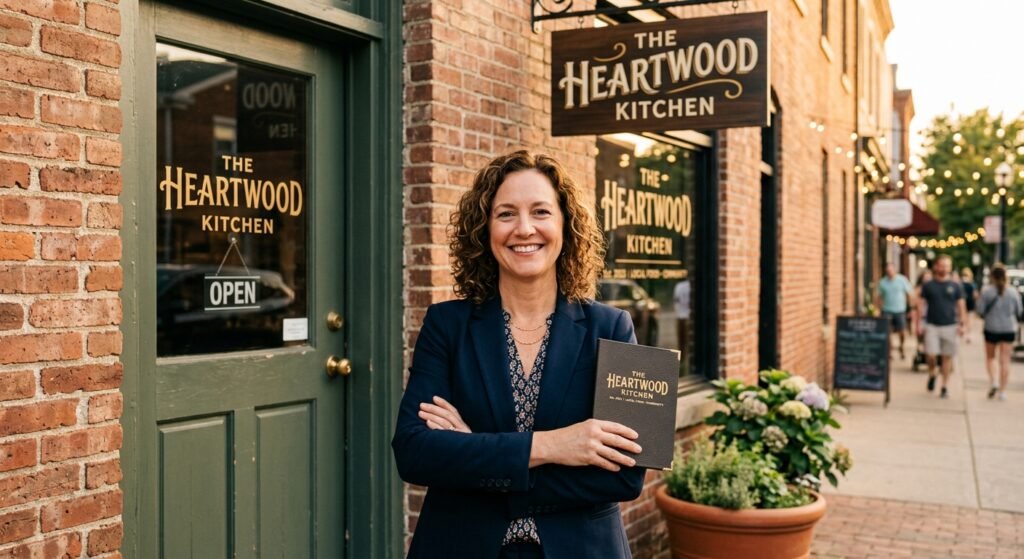
The biggest risk during any food truck to brick-and-mortar expansion is losing the intimate, approachable vibe that made the original truck special. [Foodimine] avoided this trap by incorporating elements of their mobile history into the restaurant’s interior design, displaying photos of their original truck, and maintaining open-kitchen seating that preserves the interactive feel of street dining.
By maintaining high quality, welcoming hospitality, and original recipes, [Foodimine] successfully transformed street-side buzz into a lasting brick-and-mortar destination.
Conclusion
The successful evolution from food truck to brick-and-mortar at [Foodimine] demonstrates the power of starting small, validating a concept, and scaling with care. By leveraging their street-food roots, maintaining quality, and adapting to full-service demands, [Restaurant] built a permanent home for their culinary vision. Their story serves as an inspiring blueprint for mobile vendors dreaming of opening their own doors.
Frequently Asked Questions (FAQs)
What is the biggest challenge when moving from a food truck to a brick-and-mortar restaurant?
The most significant challenges are managing higher overhead costs (rent, utilities, larger payroll), securing commercial real estate permits, and scaling kitchen operations without sacrificing quality.
Why do food trucks make great stepping stones for restaurants?
Food trucks allow owners to validate their menu, build an audience, and learn kitchen management with significantly lower initial startup capital and financial risk.
Does a food truck menu need to change when opening a physical restaurant?
Yes, while key signature dishes should be preserved, physical restaurants typically expand their menus to include appetizers, sit-down beverages, sides, and plated entrees to justify a full-service dining experience.