
The modern culinary world is experiencing a major transformation, with sustainability moving from a niche market trend to an operational essential. Driven by environmental awareness and changing consumer expectations, independent kitchens are rethinking how they handle food preparation, sourcing, and waste management. Adopting zero-waste dining principles allows local restaurants to shrink their carbon footprint, reduce operational costs, and offer guests an ethical dining experience.
Achieving zero waste requires looking beyond simple recycling bins. It involves reorganizing the entire lifecycle of food—from farm-to-table sourcing and closed-loop kitchen prep to comprehensive composting and eco-friendly packaging. By prioritizing root-to-stem cooking techniques and adopting smart inventory practices, innovative chefs are demonstrating that environmental responsibility and high-end culinary excellence go hand in hand.
Key Takeaways
- Comprehensive Waste Audits: Restaurants track and analyze both pre-consumer kitchen scraps and post-consumer plate leftovers to optimize menu portions and ingredient purchases.
- Root-to-Stem & Nose-to-Tail Cooking: Chefs minimize kitchen scrap waste by transforming peels, stalks, bones, and trimmings into rich broths, citrus garnishes, and ferments.
- Closed-Loop Procurement: Sustainable eateries collaborate directly with local farms using returnable, reusable crates to eliminate single-use plastic packaging.
- On-Site Composting & Circular Partnerships: Organic food waste is diverted from landfills through commercial composting or returned directly to local farm soil.
What Is Zero-Waste Dining?
At its core, zero-waste dining is a holistic philosophy aimed at diverting at least 90% of restaurant waste away from local landfills and incinerators. This involves four operational steps: prevention, full ingredient utilization, composting organic materials, and eliminating single-use packaging.
Raw Sourcing (Reusable Containers) ➔ Root-to-Stem Prep ➔ Plate Portion Control ➔ On-Site Composting / Farm Return
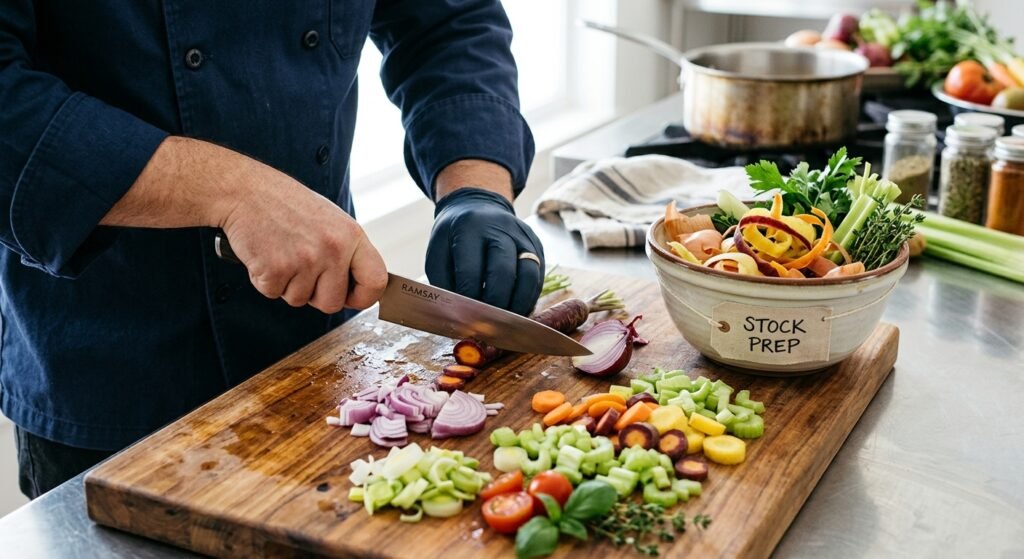
Unlike traditional commercial kitchens that discard tons of organic matter weekly, eco-conscious establishments view every ingredient as a valuable resource. Stalks, leaves, bones, and citrus peels are systematically repurposed into flavorful pantry staples rather than thrown into the trash.
Key Strategies Restaurants Use to Achieve Zero Waste
Transitioning a commercial kitchen into a zero-waste operation requires structured adjustments across front-of-house and back-of-house workflows.
1. Conducting Comprehensive Kitchen Waste Audits
Before reducing waste, kitchen teams must measure what they throw away. A standard two-week audit separates discarded items into distinct streams:
- Pre-Consumer Waste: Trimmings, spoilage, overproduction, and prep mistakes.
- Post-Consumer Waste: Unfinished food returned on guest plates.
- Packaging & Disposables: Cardboard boxes, single-use plastic wrap, containers, and paper goods.
By weighing and logging these streams daily, culinary teams identify oversized portions or over-purchased inventory, adjusting recipes and ordering schedules accordingly.
2. Mastering Whole-Ingredient Culinary Techniques
Creative menu design plays a central role in zero-waste dining. Known as “trashcooking” or upcycled cuisine, chefs use culinary creativity to turn potential waste into gross profit:
- Vegetable trimmings, herbs, and mushroom stems are simmered into rich, aromatic stocks and glazes.
- Stale sourdough bread is transformed into croutons, breadcrumbs, or fermented panzanella salads.
- Citrus peels are candied for desserts or infused into house-made cocktail syrups and bitters.

The Environmental and Economic Benefits for Restaurants
Implementing sustainable operations offers strong financial advantages alongside environmental benefits. Food waste directly impacts profit margins.
| Operational Area | Traditional Practice | Zero-Waste Innovation | Economic & Environmental Impact |
| Ingredient Prep | Trim peels/stalks into trash | Repurpose scraps into broths, sauces, and garnishes | Reduces food costs and lowers overall inventory purchasing needs. |
| Takeout Packaging | Single-use plastic/styrofoam | Compostable fiber containers or reusable deposit schemes | Cuts plastic pollution and appeals to eco-conscious diners. |
| Organic Scraps | Dumped in municipal trash | Commercial composting or farm partnerships | Lowers waste hauling fees and creates nutrient-rich soil. |
To explore how smart platforms help diners discover sustainable local restaurants and eco-friendly dining spots, check out [Internal Link: Insert relevant internal URL here with anchor text].
For detailed research on global food loss reduction targets and national environmental protection guidelines, consult resources from [External Link: Insert high-authority external URL here with anchor text].

How Diners Can Support Sustainable Restaurants
Consumers play an important role in building a sustainable food ecosystem. Diners can support these efforts by:
- Choosing Certified Sustainable Restaurants: Look for establishments with clear waste-reduction practices or local eco-certifications.
- Practicing Right-Sized Ordering: Ask servers about portion sizes to avoid leaving food behind.
- Bringing Reusable Containers: Take home leftovers in personal glass or stainless-steel containers where permitted by local health codes.
Conclusion
The shift toward zero-waste dining is fundamentally transforming modern food culture. By combining precise inventory control, creative root-to-stem cooking, and closed-loop composting programs, local restaurants are proving that exceptional dining does not have to come at the expense of the planet. Supporting these sustainable restaurants helps protect the environment while fostering a more responsible, flavor-focused food system.
Frequently Asked Questions (FAQs)
What does zero-waste dining mean for a restaurant?
It means operating with a focus on sending minimal waste to landfills. Establishments achieve this by preventing food waste, practicing whole-ingredient cooking, eliminating single-use plastics, and composting organic scraps.
Do zero-waste restaurants cost more to operate?
While initial setup costs for composting systems or specialized containers require investment, zero-waste practices generally save money over time. Reusing ingredient scraps lowers food costs, and reducing overall waste volume decreases commercial trash hauling fees.
How do sustainable kitchens prevent food from spoiling?
Kitchens use real-time inventory software, practice strict First-In, First-Out (FIFO) stock rotation, preserve seasonal ingredients through fermentation and pickling, and order smaller batches from local farms.