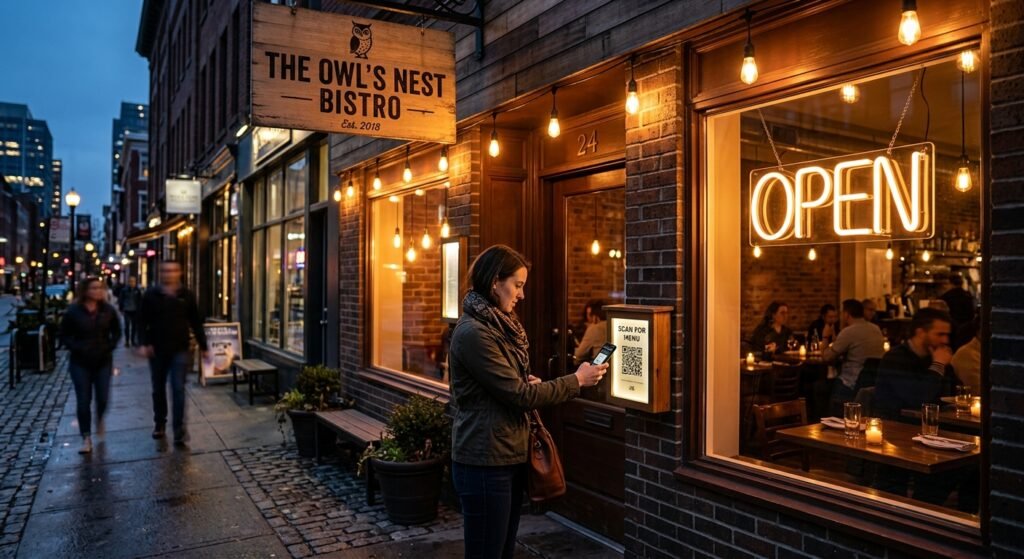
tips for restaurant owners: how to stand out online The modern dining journey almost always begins on a glass screen. Long before a customer steps foot inside your dining room or takes a bite of your signature dish, they have already looked up your location on Google Maps, scrolled through photos on social feeds, or scanned your digital menu. In today’s competitive market, simply serving great food is no longer enough. Implementing actionable tips for restaurant owners: how to stand out online is essential for filling tables, capturing high-intent search traffic, and driving steady revenue.
Whether you run a fast-casual taco stand, a neighborhood pizzeria, or a high-end bistro, optimizing your digital presence acts as a 24/7 front-of-house host.tips for restaurant owners: how to stand out online By mastering local search engines, collecting user-generated content, and keeping digital menus crawlable, restaurant operators can build an online footprint that consistently converts hungry scrollers into loyal, long-term diners.
Key Takeaways
- Claim & Optimize Google Business Profile (GBP): Keep operational hours, menu links, phone numbers, and address details accurate to dominate local map searches.
- Implement Schema Markup: Use structured data for menus, reviews, and reservations so search engines can highlight prices, star ratings, and dishes directly on search results.
- Leverage User-Generated Content (UGC): Encourage diners to post photos and reviews; authentic customer experiences act as powerful social proof for AI search engines and social platforms.
- Maintain Mobile-Friendly, Text-Based Menus: Replace PDF menu uploads with plain text HTML menus that search engine bots can easily index for specific food queries.
1. Optimize Your Google Business Profile & Local Search Engine Footprint
tips for restaurant owners: how to stand out online For brick-and-mortar eateries, local search optimization is the single highest-ROI digital channel. When nearby diners search for “best Italian food near me” or “late-night coffee spots,” search algorithms rely heavily on structured local listings to deliver immediate answers.
Fully Populate Profile Information
Ensure your restaurant’s primary categories, business address, phone number, website link, and active operating hours are completely up to date. Update special holiday hours well in advance to prevent disappointing potential guests.
Publish High-Quality Photos Regularly
Search platforms prioritize businesses with frequent visual updates. Upload clear, appetizing photos of signature appetizers, main entrees, seasonal cocktails, and interior seating areas.
2. Ditch PDF Menus for Indexable Text-Based HTML Menus
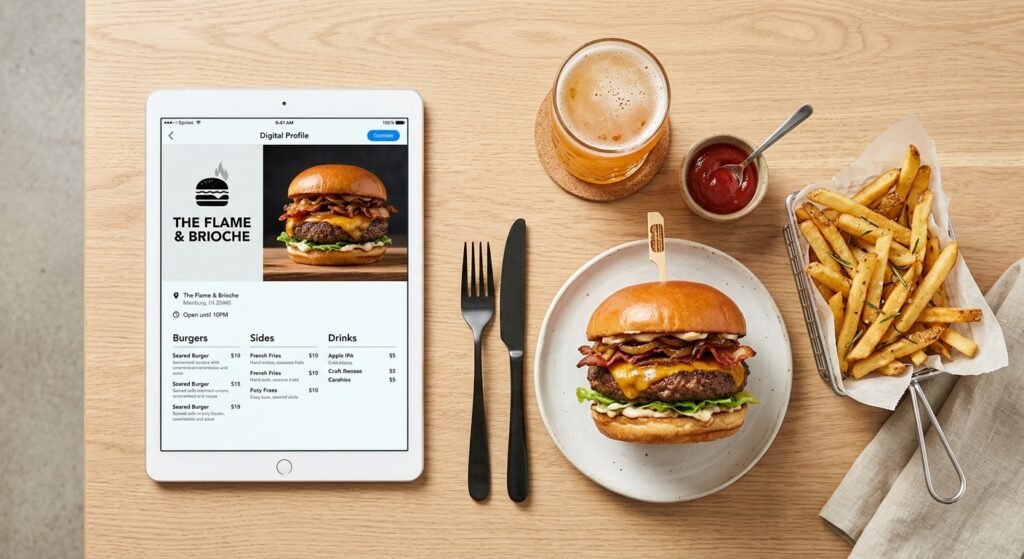
One of the most common mistakes restaurant owners make online is uploading their menus solely as flat image files or downloadable PDF documents. Search engine bots cannot easily read or index images or unoptimized PDFs.
- Boost Specific Food Queries: Converting menus into live, text-based HTML allows search engines to read individual ingredients and dish names. This means when a diner searches for “gluten-free pasta options” or “truffle fries,” your website ranks directly for those specific keywords.
- Improve Mobile Accessibility: Mobile users want immediate answers without waiting for large PDF files to download onto their mobile devices. Clean HTML menus load rapidly and scale smoothly across all screen sizes.
To learn how algorithmic search platforms automatically aggregate local dining data and evaluate restaurant listings, read [Internal Link: Insert relevant internal URL here with anchor text].
3. Leverage Online Reputation and Active Review Management
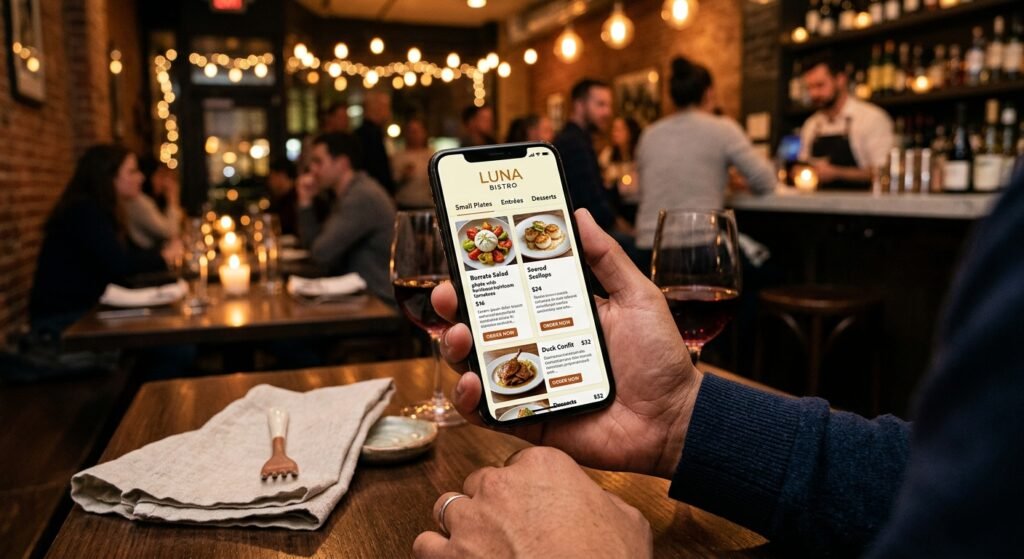
Positive customer feedback acts as digital word-of-mouth marketing. Both search engines and AI discovery tools analyze customer review frequency, overall star ratings, and keywords within review text to evaluate local credibility.
- Ask for Reviews Systematically: Place discreet QR codes on receipt physical copies, table tents, or digital payment kiosks inviting satisfied guests to drop feedback.
- Respond to Every Review Professionally: Take time to thank positive reviewers and address negative experiences calmly. Prompt, human responses show potential diners that hospitality and customer care are top priorities.
For official web performance guidelines, mobile responsiveness standards, and user experience frameworks, review resources from [External Link: Insert high-authority external URL here with anchor text].

Conclusion
Mastering tips for restaurant owners: how to stand out online is an ongoing process of aligning your real-world hospitality with your digital presence. By optimizing your Google Business Profile, deploying readable text-based menus, systematically collecting reviews, and adopting structured schema data, you ensure your restaurant stays visible when local diners decide where to eat. Take control of your digital channels today, build a consistent online identity, and watch your table bookings grow!
Frequently Asked Questions (FAQs)
What is the fastest way for a new restaurant to build online visibility?
Claiming and completely optimizing your Google Business Profile, uploading professional food photography, and inviting early guests to leave authentic reviews yield the fastest local search visibility gains.
Should restaurants invest in social media SEO alongside traditional search engines?
Yes. Younger demographics frequently search platforms like Instagram and TikTok directly for short-form video content, food visuals, and atmosphere previews.
Why are PDF menus bad for restaurant website SEO?
PDF menus prevent search engines from crawling individual dish names and dietary tags easily. HTML text menus allow search engines to rank your site for specific menu items and offer a faster mobile experience.
To dive deeper into actionable steps for acquiring new guests and driving repeat visits, watch The COMPLETE Restaurant Marketing Guide
, which details step-by-step systems for local customer acquisition and digital retention. This video directly complements the local digital presence strategies discussed in this guide.