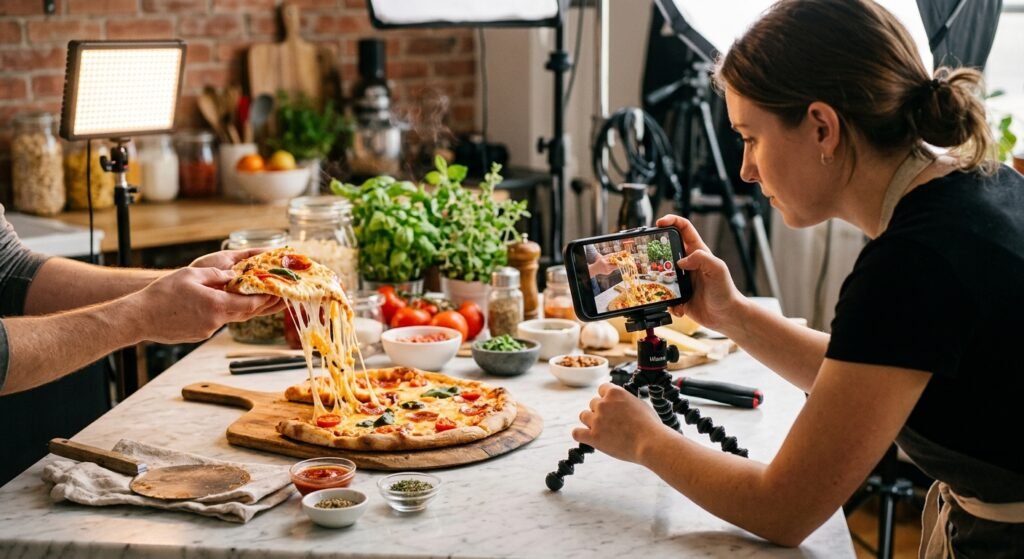
In the digital age,science behind food trends a single short-form video can transform a quiet local eatery into an international destination overnight. From baked feta pasta to giant viral croissants and soufflé pancakes, certain dishes capture the global imagination while thousands of others fade into obscurity. Unpacking what makes a meal “viral” requires looking closely at the science behind food trends, a fascinating blend of consumer psychology, sensory appeal, digital algorithms, and clever visual engineering.
Viral food phenomena rarely occur by pure coincidence. Successful viral dishes tap into deeply rooted human behaviors: our innate desire for visual novelty, community belonging, multi-sensory satisfaction, and social flex culture. Understanding these core drivers allows chefs, restaurateurs, and passionate food lovers to decode why certain culinary creations explode across feeds everywhere.
Key Takeaways
- Visual Mechanics (ASMR & Motion): Viral dishes prioritize dynamic textures—pulls, drips, snaps, and sizzles—that immediately grab viewer attention on screen.
- Psychological Triggers: Curiosity, nostalgia, and FOMO (Fear of Missing Out) drive users to like, share, and recreate trending recipes at home.
- Low Friction & Replicability: Dishes that use accessible ingredients or simple assembly techniques spread faster across social platforms.
- Algorithm-Friendly Formats: High contrast, bright lighting, and audio-first presentation help viral food content succeed across recommendation engines.
The Psychology of Social Sharing: Why We Watch and Share Food
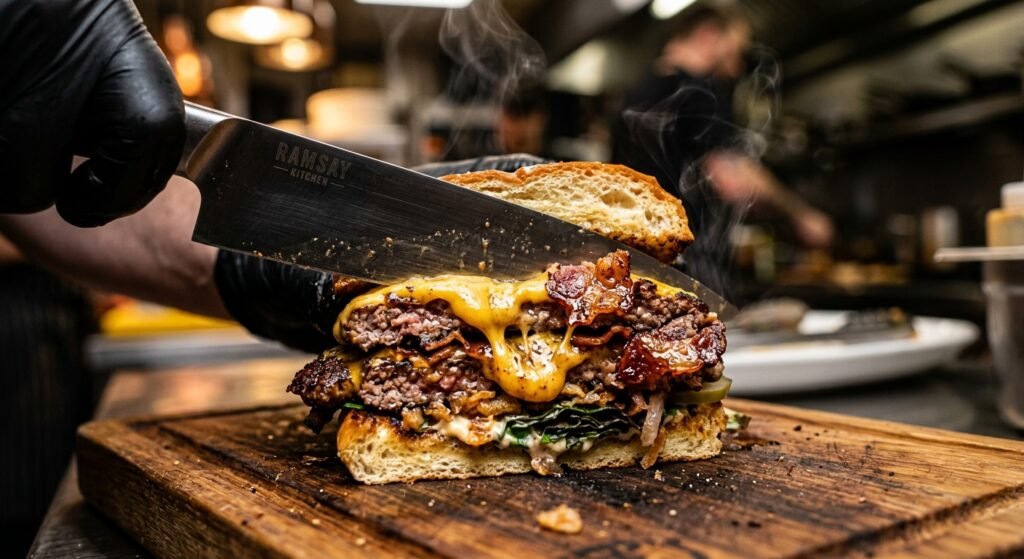
Understanding the science behind food trends starts with human neuroscience. Food is fundamentally sensory, emotional, and social. When we scroll past a video featuring a dramatic cheese pull or a knife cracking through ultra-crispy fried chicken, our brain’s reward centers trigger a micro-dopamine surge.
This neuro-response is deeply linked to “vicarious consumption.” Even if viewers cannot taste or smell the dish through a glass screen, high-contrast visuals paired with crisp ASMR audio satisfy a subconscious sensory craving. Furthermore, sharing a viral food video serves as digital currency—a way to tell friends, “Look at this incredible creation I discovered.”
Key Ingredients of a Viral Dish
While flavor remains king for long-term customer retention, short-form viral success relies on a specific set of visual and structural characteristics:
1. Motion and Dynamic Textures
Static plates rarely go viral in today’s video-first media landscape. Dishes must move. Key visual triggers include:
- The Pull: Stretchy mozzarella, gooey chocolate, or warm melted caramel.
- The Crack: Crispy crème brûlée crusts or hard chocolate shell breakages.
- The Pour: Rich sauces, gravies, or fondue poured over hot dishes.
2. Extreme Scale and Contrast
Subtle, minimalist plating often struggles on small mobile screens. Viral foods frequently embrace visual exaggeration—unusually oversized croissants, vibrant rainbow lattes, or hyper-loaded stacked sandwiches—that force scrollers to pause.
To explore trending local culinary hot spots and discover viral dishes near you, visit [Internal Link: Explore Foodimine’s directory for top-rated viral food spots and trending eats].
The Role of Algorithms and Replicability
Analyzing the science behind food trends also involves understanding content distribution networks. Algorithms favor high completion rates and shareability.
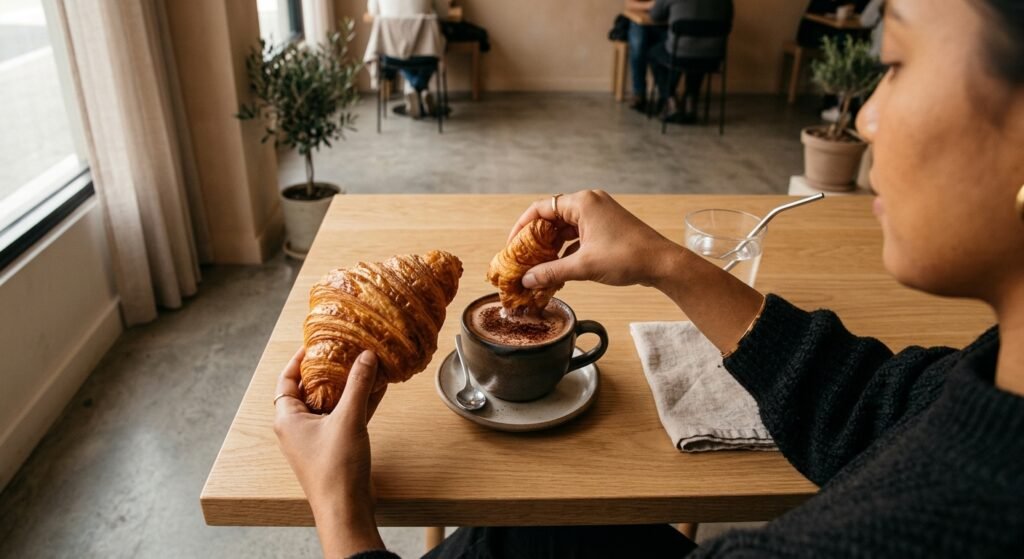
When a recipe is simple enough for home cooks to recreate using everyday grocery items—such as the famous 3-ingredient TikTok pasta—user-generated content expands rapidly. Every home attempt, adaptation, or reaction video acts as a multiplier, pushing the trend deeper into mainstream pop culture.
For detailed research on digital media consumption patterns and consumer behavior statistics, consult resources from [External Link: Visit Pew Research Center for insights on social media usage trends and digital content habits].
Can Restaurants Design Virality Intentionally?
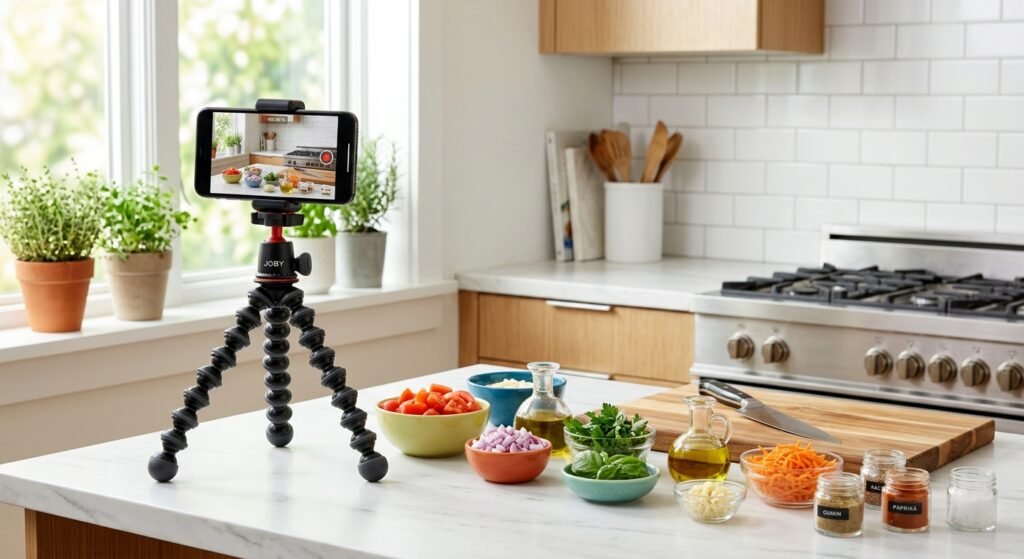
While true organic virality cannot be fully guaranteed, modern restaurant owners increasingly design menu items with digital platforms in mind. Interactive tableside presentations, dramatic flame treatments, and custom branded backdrops give customers an immediate reason to pull out their phones and document their dining experience.
However, smart chefs know that viral attention is merely an invitation. If the underlying flavor, quality, and hospitality fail to meet expectations, the initial hype quickly dies out. Long-term success requires balancing viral visual flair with genuine culinary excellence.
Conclusion
Exploring the science behind food trends reveals that viral meals are far more than superficial internet fads. They represent the intersection of human psychology, visual storytelling, and digital connection. Whether driven by satisfying soundscapes, striking color contrasts, or shared culinary curiosity, viral dishes reflect how our global culture celebrates and experiences food today. As digital platforms evolve, the science of what makes us hungry on screen will continue to shape how we eat in the real world.
Frequently Asked Questions (FAQs)
What is the most important factor in making a food video go viral?
Visual motion paired with high-quality ASMR audio is the single most critical factor. Dynamic actions like slicing, cracking, pulling, or pouring capture viewer attention within the first two seconds.
Do viral food trends benefit local small restaurants?
Yes, a viral video can generate immense foot traffic for independent eateries, filling seats and driving revenue. However, businesses must be prepared to handle sudden spikes in demand without sacrificing food quality or service speed.
Why do simple recipes go viral faster than complex ones?
Simple recipes have a lower barrier to entry. When viewers see a delicious meal that requires minimal time, budget, or technical skill, they are much more likely to save the post, buy the ingredients, and recreate the dish themselves.



1 thought on “What Makes a Meal “Viral”? The Science Behind Food Trends”