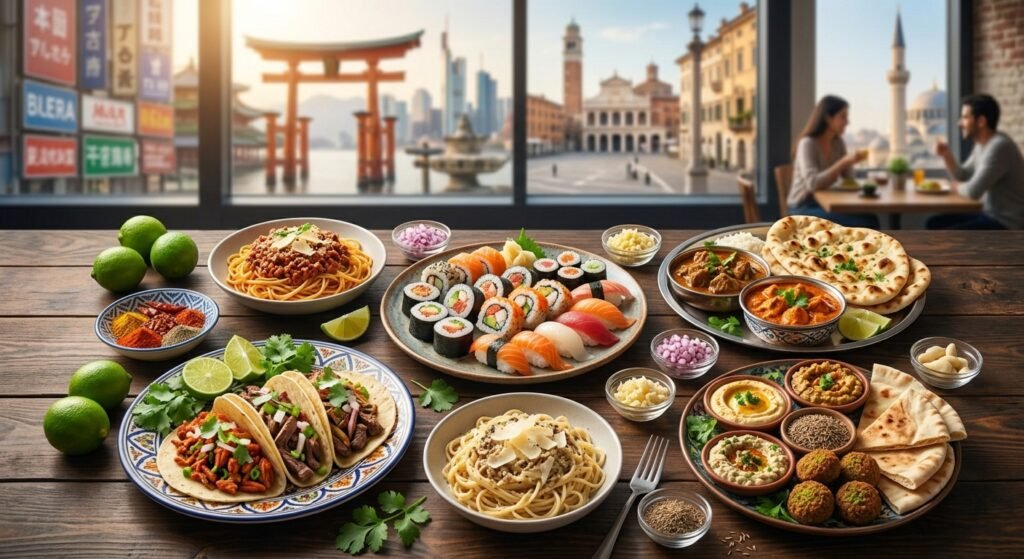
exploring regional delicacies around the world Food is one of the most powerful gateways to understanding global culture, history, and geography. Every community across the globe has developed unique culinary traditions shaped by local topography, trade routes, climate, and generations of ancestral heritage. Exploring regional delicacies around the world offers far more than just satisfying hunger—it provides a sensory journey into the heart of authentic culinary storytelling.
From long-simmered stews in South America to complex, aromatic spice blends across Southeast Asia, true culinary exploration requires looking past generic tourist meals to uncover localized comfort foods. Understanding how traditional dishes are prepared allows food lovers and adventurous travelers to appreciate the rich craftsmanship behind every regional plate.
Key Takeaways
- Cultural Identity Through Food: Regional dishes reflect local ecosystems, agricultural histories, and ancestral techniques passed down across generations.
- Terroir and Local Ingredients: Microclimates and indigenous crops—such as heirloom chilies, native wild herbs, and specialized volcanic soils—define distinct flavor boundaries.
- Technique Over Complexity: Many world-famous delicacies rely on simple, mastered techniques like fermentation, wood-fire roasting, or slow-steaming rather than complex kitchen equipment.
- Authentic Discovery: Finding true regional specialties involves seeking out bustling local street stalls, family-run eateries, and traditional neighborhood markets.
The Intersection of Geography, History, and Culinary Traditions
When exploring regional delicacies around the world, it quickly becomes clear that geography dictates taste. Mountainous terrains foster dense, preserving-heavy cuisines built around aged cheeses, cured meats, and hearty grains. Conversely, coastal communities naturally develop lighter, seafood-centric preparations balanced with fresh citrus, sea salt, and aromatic herbs.
Historical trade routes have also reshaped regional kitchens over centuries. The global movement of spices, fruits, and livestock created iconic fusion traditions that are today celebrated as indigenous staples—such as the introduction of South American chili peppers to traditional Asian and African cooking pots.
Iconic Regional Delicacies Worth Trying
Embarking on a global food journey highlights how diverse ingredients can be transformed into masterworks of comfort and flavor:
1. South East Asia: The Balance of Five Flavors
Cuisines in countries like Thailand, Vietnam, and Malaysia prioritize a delicate equilibrium between sweet, sour, salty, bitter, and umami elements. Signature regional specialties such as Northern Thai Khao Soi (curry noodle soup) or Vietnamese Pho showcase hours of slow-simmered bone broths layered with fresh herbs like Thai basil, coriander, and lime.
2. The Mediterranean Basin: Simplicity and Olive Oil
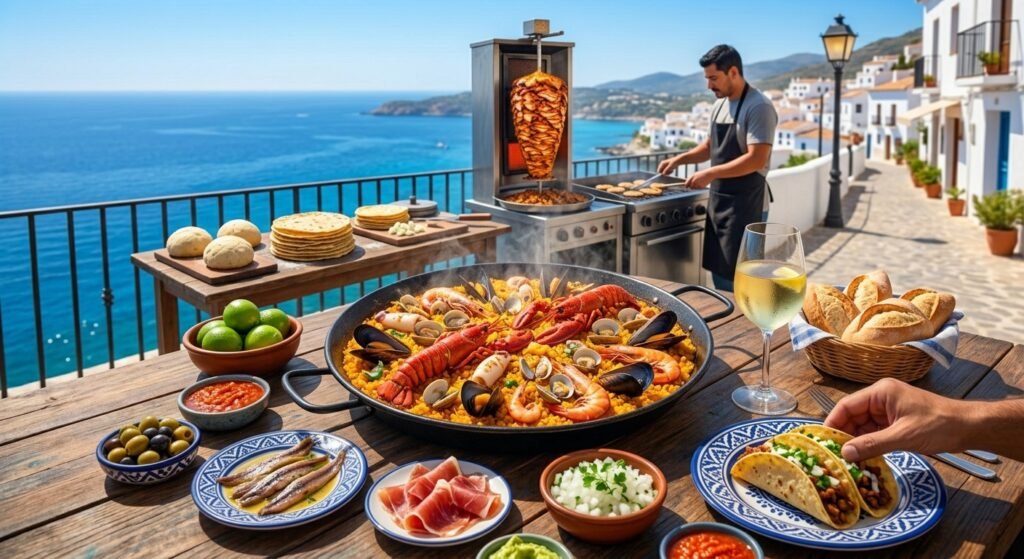
Mediterranean cooking highlights ingredient purity. From Spanish Paella Valenciana cooked over open orange-wood fires to Greek Moussaka, regional cooks rely on cold-pressed olive oils, ripe tomatoes, fresh garlic, and wild oregano to build deep flavor without heavy cream sauces.
To explore top-rated international dining spots, authentic regional hubs, and food travel guides, visit [Internal Link: Explore Foodimine’s global food directory and regional dining guides].
The Art of Fermentation and Preservation in Local Diets
Preservation techniques have given rise to some of the world’s most pungent and beloved culinary icons. Before modern refrigeration, fermentation was essential for survival during harsh winters or long sea voyages.
- Korean Kimchi & Jeotgal: Lactic-acid fermentation transforms Napa cabbage and radishes with chili flakes and salted seafood into gut-healthy staples.
- European Aged Cheeses & Charcuterie: Cave-aged Parmigiano-Reggiano and dry-cured Jamón Ibérico turn simple dairy and meats into complex, savory delicacies.
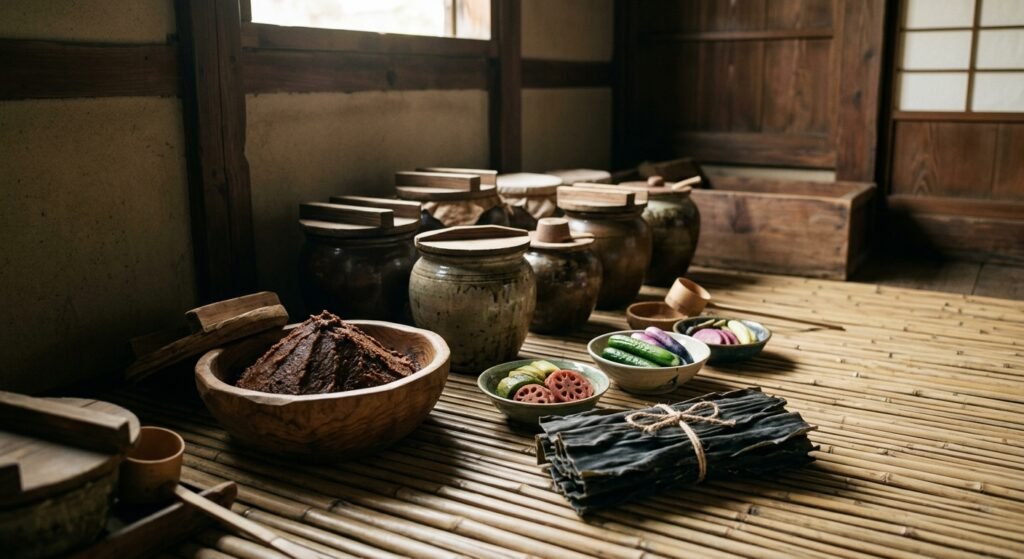
- Japanese Tsukemono & Miso: Fermented soybean pastes and rice-bran pickles provide the umami backbone of traditional Japanese home cooking.
For detailed global food security data, agricultural traditions, and international culinary heritage preservation reports, consult resources from [External Link: Visit the Food and Agriculture Organization (FAO) of the United Nations for global food systems and cultural heritage research].
Conclusion
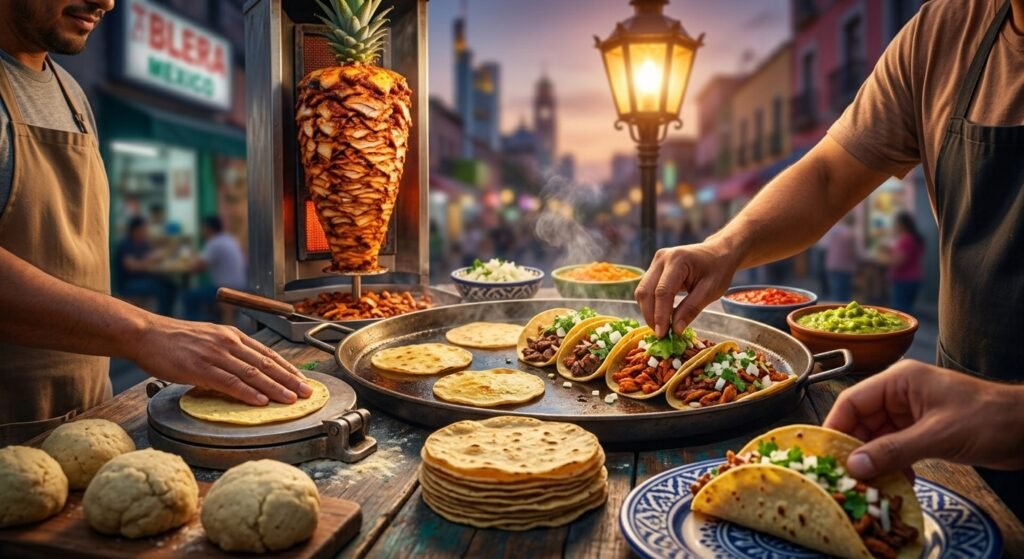
Exploring regional delicacies around the world reminds us that food is a universal language that bridges geographical and cultural divides. By understanding the historical roots, indigenous ingredients, and traditional preparation methods behind global dishes, food enthusiasts gain a deeper respect for local cultures. Whether you are tasting street food at a night market or dining at an authentic neighborhood trattoria, every bite tells a story worth savoring.
Frequently Asked Questions (FAQs)
How can I find authentic regional food while traveling?
Look for venues filled with local residents rather than tourists, research neighborhood food markets, ask local residents for home-style restaurant recommendations, and eat at establishments with focused, small menus.
Why do regional foods taste different outside their country of origin?
Differences in water mineral content, soil composition (terroir), livestock diets, ingredient freshness, and local climate significantly alter taste profiles even when following identical recipes.
What is the best way to recreate authentic regional delicacies at home?
Source specialty ingredients from local ethnic grocers, master traditional foundational techniques (such as blooming spices in hot oil or making broths from scratch), and respect traditional flavor combinations before attempting modern variations.