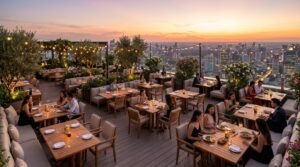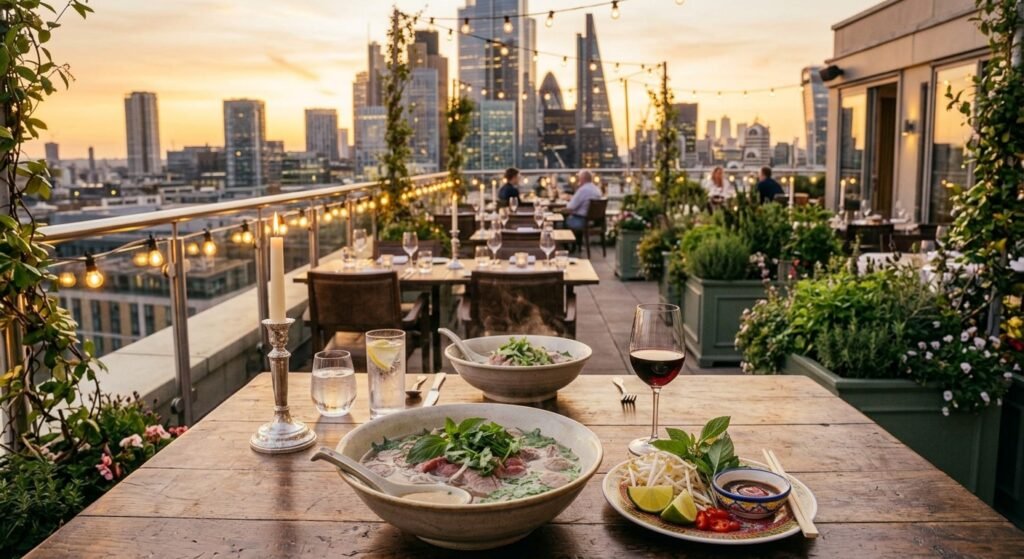
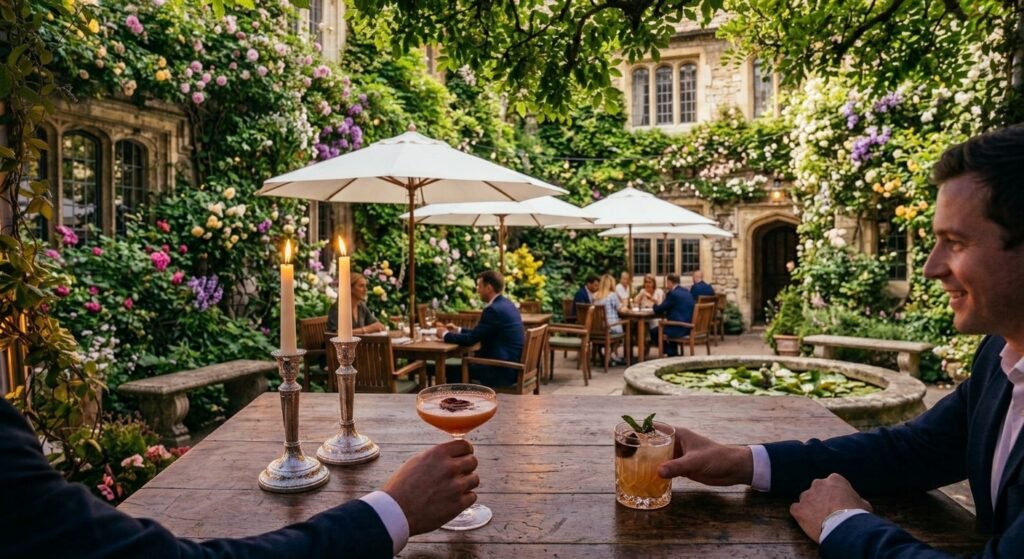
ultimate guide to outdoor & rooftop dining Few culinary experiences rival the feeling of enjoying a great meal in the open air. Whether it is enjoying sunset drinks perched high above a bustling downtown grid or sharing a quiet lunch inside a garden patio, discovering open-air restaurants is a favorite pastime for food lovers. This ultimate guide to outdoor & rooftop dining covers everything you need to know about selecting the best scenic venues, navigating seasonal weather shifts, and elevating your outdoor meals.
Dining outdoors combines visual beauty with culinary enjoyment. However, finding an exceptional outdoor venue involves more than just picking a restaurant with extra tables on the sidewalk. Factors like acoustic comfort, shade coverage, wind protection, and sunset views all play a major role in creating a memorable dining experience.
Key Takeaways
- Scenic Ambiance: Rooftop and patio venues blend cityscape views, natural light, and open air to elevate casual lunches and special dinner celebrations alike.
- All-Weather Adaptability: The best open-air spots invest in retractable awnings, outdoor space heaters, wind barriers, and misters to ensure year-round comfort.
- Golden Hour Planning: Timing your reservation 45 to 60 minutes before sunset lets you enjoy daytime scenery, golden twilight colors, and evening city lights.
- Menu Suitability: Opt for dishes and drinks that hold up well in outdoor environments, avoiding easily melted frozen items or delicate sauces on windy days.
What Makes an Outdoor & Rooftop Dining Experience Exceptional?
To get the most out of your open-air meals, it helps to understand what sets outstanding venues apart from basic patio setups. This ultimate guide to outdoor & rooftop dining highlights key features to look for when selecting a venue:
1. View & Structural Layout
A great rooftop venue maximizes its location. Look for multi-tiered decks, perimeter glass railings that offer clear views, and comfortable lounge seating that lets you enjoy the landscape without feeling cramped.
2. Climate Control Systems
Weather unpredictable nature can quickly impact an outdoor meal. Premium open-air establishments feature climate-control equipment like radiant heaters, fire pits, retractable glass roofs, and cooling misters so guests remain comfortable regardless of temperature shifts.
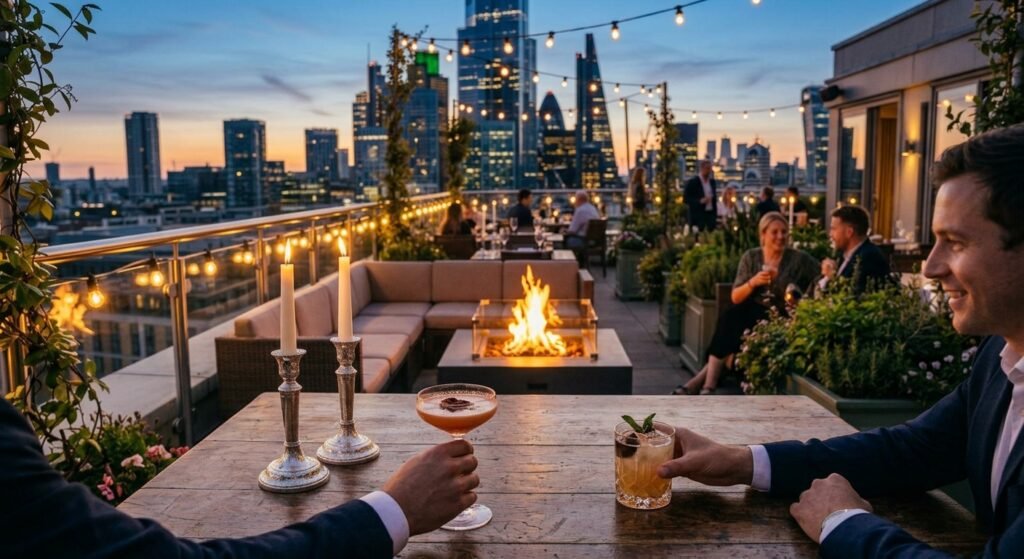
Strategic Tips for Booking the Best Outdoor Tables
Open-air tables—especially prime rooftop seats with unobstructed views—are among the most sought-after reservations in any city. Using a few strategic steps can help you secure the best spot in the house:
- Reserve Well in Advance: Open-air seating is weather-dependent and limited. Book 2 to 4 weeks ahead for popular weekend sunset slots.
- Specify Seating Preferences: Mention in your reservation notes if you prefer a perimeter view table, patio booth, or heater-adjacent seat.
- Check the Weather Forecast: Check wind speeds and temperature drops before heading out so you can dress comfortably for open-air conditions.
To find top-rated patio venues, scenic terraces, and rooftop lounges in your area, browse [Internal Link: Explore Foodimine’s local patio and rooftop dining directory for top-rated spots].
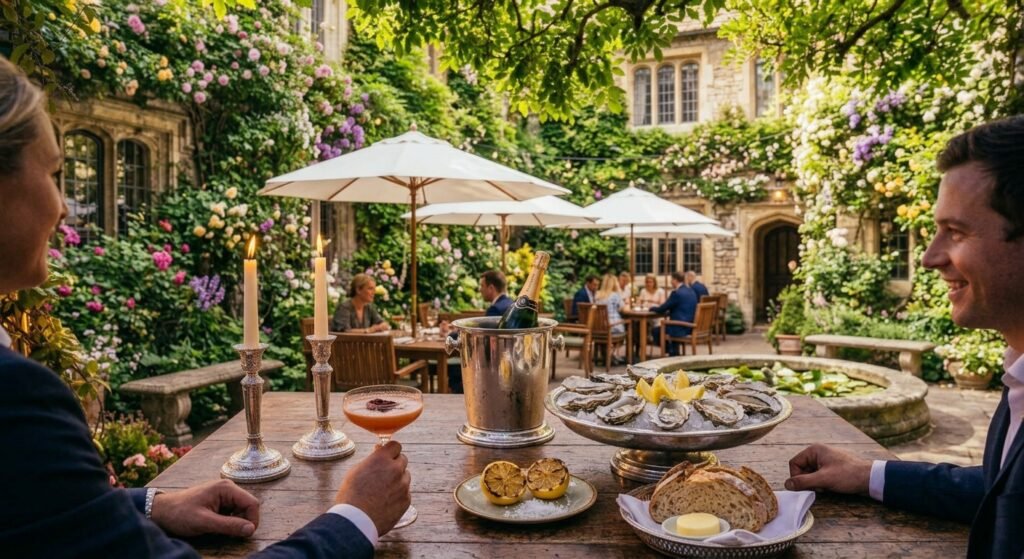
Selecting Food and Drinks for Open-Air Conditions
Outdoor dining introduces environmental factors like breeze, direct sunlight, and ambient temperature that can affect food temperature and texture. Selecting the right menu items helps ensure every course tastes as intended:
- Prioritize Stable Appetizers: Artisanal charcuterie boards, mezze platters, flatbreads, and ceviche stay fresh and flavorful outdoors without cooling down too fast.
- Mind the Sweets: Skip delicate frozen desserts like ice cream or whipped cream tarts on sunny days, opting instead for baked pastries or chilled fruit tarts.
- Choose Refreshing Beverages: Sparkling waters, crisp white wines, and iced botanical cocktails maintain their refreshing profile under warm afternoon skies.
For official urban planning insights and municipal health standards for outdoor dining spaces, consult resources from [External Link: Visit the National League of Cities (NLC) for municipal outdoor dining regulations and urban design standards].
Conclusion
This ultimate guide to outdoor & rooftop dining shows that open-air meals offer far more than just extra seating—they provide an engaging, sensory way to experience local food culture. By choosing venues with good climate control, booking during golden hour, and picking weather-friendly dishes, you can enjoy great views and delicious meals all season long. Pick a rooftop or garden patio for your next outing, raise a glass, and enjoy open-air dining at its best!
Frequently Asked Questions (FAQs)
What is the best time of day for rooftop dining?
The optimal window is 45 to 60 minutes before sunset. This lets you experience natural daytime light, golden-hour colors, and the transition into ambient evening city lights during a single dinner service.
How do rooftop restaurants handle unexpected bad weather?
Top-tier rooftop establishments use retractable glass roofs, heavy-duty drop-down wind curtains, and heated indoor backup seating areas to keep guests comfortable during sudden rain or cold snaps.
Is outdoor dining available during winter months?
Yes, many restaurants offer year-round outdoor dining by introducing heated transparent dining domes, enclosed winter chalets, fire pit lounges, and high-powered overhead heaters.